Seleziona una pagina

WELCOME TO OUR 17th CONGRESS IN BOLOGNA, ITALY

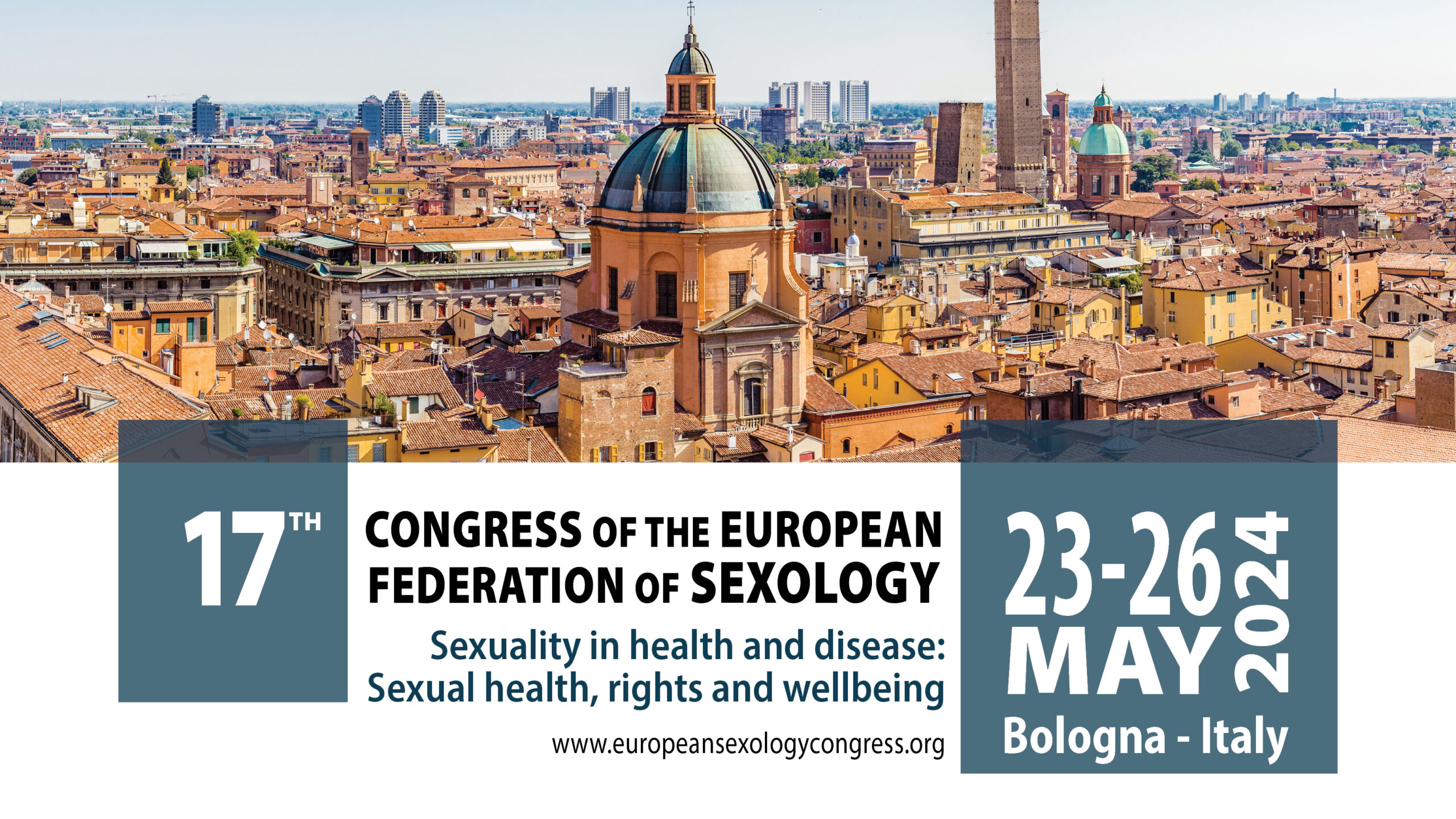
On behalf of the European Federation of Sexology( EFS), it is a great pleasure and  honor for me to invite and welcome you to the 17th EFS Congress that will be held in Bologna-Italy on 23-26  May 2024.

The EFS& CIS( Italian Center of Sexology)  will no doubt  deliver a high-quality congress which hopefully will turn out to be a memorable experience both scientifically and socially. As we believe that the scientific success of a congress depends on the contributions of the delegates, we hope that many of you will be able to get actively involved in this congress.

The programme will cover a wide range of new clinical and research topics including challenges faced regarding sexual health-sexual well-being and sexual problems. Sexual health and sexual rights are no longer luxuries but essentials and necessities to live a life with dignity.  The congress theme reflects the importance of human sexology as a whole both in good and difficult times and both in body and mind.

The interdisciplinary and international nature of the congress will no doubt enhance professional and social networking and exchange of information and knowledge from diverse communities and cultures. Our host will be the Italian Center of Sexology (CIS). We have no doubt that you will enjoy the Italian hospitality in the beautiful and historic city of Bologna which offers history, culture and beauty.

On behalf of EFS, I am looking forward to seeing you in Bologna to meet your old friends and to make new ones and expecting your generous contributions to the scientific content of the congress to reaffirm the continuous development of our community and enjoy a top-quality scientific program.

Cordial regards,

Prof. Mehmet Sungur – Turkiye
President of the Congress


Escrh logo

A Shared Commitment to Sexual and Reproductive Health and Rights

The ESCRH Position Paper reaffirms that sexual and reproductive health and rights are fundamental human rights and should be guaranteed to all individuals without discrimination, coercion, or violence. The document highlights the importance of evidence-based healthcare, equitable access to contraception, comprehensive sexuality education, prevention and treatment of sexually transmitted infections, and protection from gender-based violence.

The position paper also emphasizes the need to address inequalities affecting marginalized populations, including adolescents, LGBTQIA+ individuals, migrants, refugees, people with disabilities, older adults, and sex workers. It calls for inclusive, accessible, and rights-based healthcare systems capable of meeting the needs of diverse communities.

Key Areas of Focus

Among its main recommendations, the document advocates for:

  • Universal access to modern contraception and family planning services;
  • Safe, legal, and dignified reproductive healthcare;
  • Comprehensive sexuality and reproductive health education throughout the lifespan;
  • Stronger prevention, screening, and treatment strategies for sexually transmitted infections and HIV;
  • Improved access to HPV vaccination and reproductive cancer prevention programs;
  • Action against gender-based violence and harmful practices such as female genital mutilation;
  • Protection of evidence-based healthcare from misinformation and ideological interference.

The paper further highlights the importance of professional education, scientific research, and international collaboration in advancing sexual and reproductive health and rights.

Supporting Evidence-Based and Rights-Centred Healthcare

EFS shares the view that sexual and reproductive health is closely linked to human dignity, equality, public health, and social justice. The Federation therefore supports the principles and recommendations outlined in the ESCRH Position Paper and welcomes continued collaboration among professional organizations working to promote sexual health and wellbeing throughout Europe.

Read the Full Position Paper

EFS encourages members, professionals, and stakeholders to consult the complete document published by the European Society of Contraception and Reproductive Health.