Seleziona una pagina

International Transgender Day of Visibility

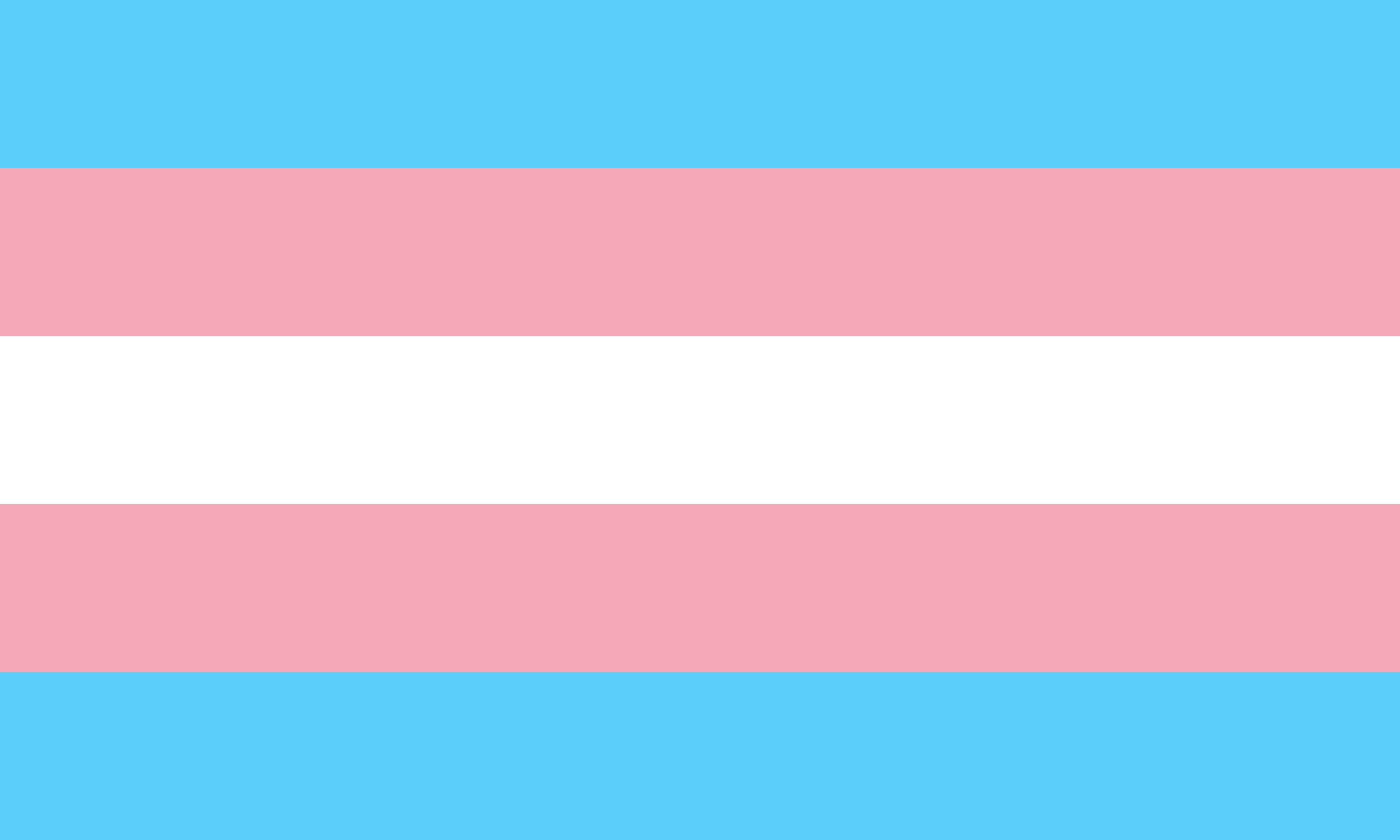
As the world progresses, so does the acceptance and inclusion of communities that have been marginalised. The International Transgender Day of Visibility (TDOV) on March 31st is a perfect example of steps taken towards equality and understanding. It is a day dedicated to celebrating and recognising those of us who identify as transgender worldwide. The day was first observed in 2009 and has since become a global event. It aims to raise awareness about the challenges faced by transgender people and to promote their existence, their rights and dignity. TDOV celebrates the achievements of transgender people and acknowledges their contribution to society. It also highlights their challenges, including discrimination, harassment, and violence. Transgender people still face many equality barriers, including healthcare, education, and employment. Today, in many countries, transgender people are facing bolder violence than ever before, including genocidal threats. EFS stands in firm opposition to these human rights violations and calls on all persons of conscience to oppose these threats, discrimination, and violent acts wherever they occur.

Support the Transgender & Gender Diverse Community


EFS encourages you to support the transgender community on TDOV. Here are some suggested ways to get involved. You can attend a virtual event, donate to a

transgender organisation, help promote access to gender-affirming care or educate yourself on transgender issues. In addition, show your support using the hashtag #TransDayofVisibility on social media. As we celebrate TDOV, remember that transgender people have always been an essential and valuable part of our society. So let us work together to create a world where all are free to be themselves and all rights are respected and protected.
Escrh logo

A Shared Commitment to Sexual and Reproductive Health and Rights

The ESCRH Position Paper reaffirms that sexual and reproductive health and rights are fundamental human rights and should be guaranteed to all individuals without discrimination, coercion, or violence. The document highlights the importance of evidence-based healthcare, equitable access to contraception, comprehensive sexuality education, prevention and treatment of sexually transmitted infections, and protection from gender-based violence.

The position paper also emphasizes the need to address inequalities affecting marginalized populations, including adolescents, LGBTQIA+ individuals, migrants, refugees, people with disabilities, older adults, and sex workers. It calls for inclusive, accessible, and rights-based healthcare systems capable of meeting the needs of diverse communities.

Key Areas of Focus

Among its main recommendations, the document advocates for:

  • Universal access to modern contraception and family planning services;
  • Safe, legal, and dignified reproductive healthcare;
  • Comprehensive sexuality and reproductive health education throughout the lifespan;
  • Stronger prevention, screening, and treatment strategies for sexually transmitted infections and HIV;
  • Improved access to HPV vaccination and reproductive cancer prevention programs;
  • Action against gender-based violence and harmful practices such as female genital mutilation;
  • Protection of evidence-based healthcare from misinformation and ideological interference.

The paper further highlights the importance of professional education, scientific research, and international collaboration in advancing sexual and reproductive health and rights.

Supporting Evidence-Based and Rights-Centred Healthcare

EFS shares the view that sexual and reproductive health is closely linked to human dignity, equality, public health, and social justice. The Federation therefore supports the principles and recommendations outlined in the ESCRH Position Paper and welcomes continued collaboration among professional organizations working to promote sexual health and wellbeing throughout Europe.

Read the Full Position Paper

EFS encourages members, professionals, and stakeholders to consult the complete document published by the European Society of Contraception and Reproductive Health.