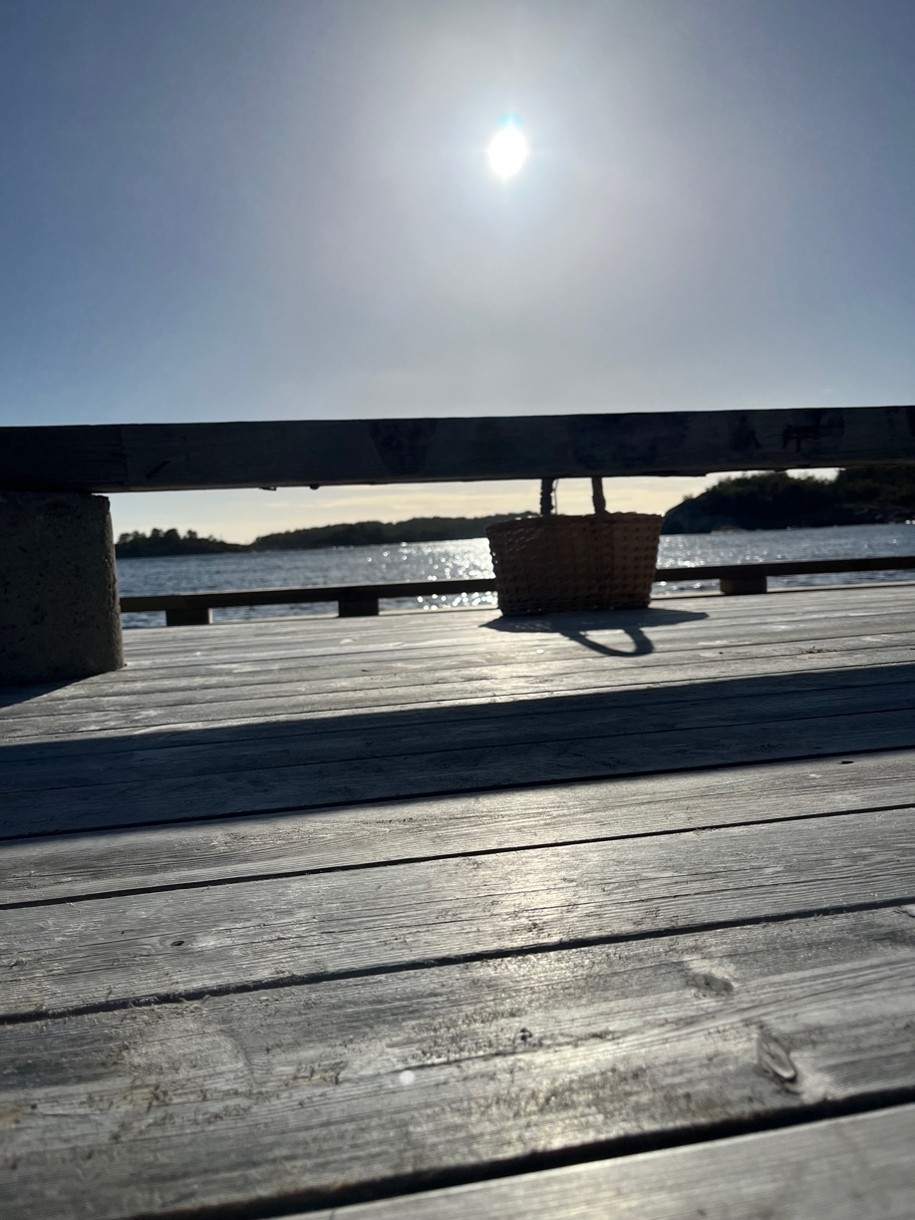
Autumn is upon us. Here in the North, daylight steadily diminishes to be exchanged with dusky evenings and darker nights. This is the time of year when hunters hit the woods for moose hunting, fishing people are trapping Atlantic lobster, and farmers deliver their vital goods to the markets. Some societies have traditions of giving thanks to what our globe is serving us.
It is certainly also a time for contemplation. Time to ponder what our efforts as sexologists, professional sexual health promoters, health bureaucrats, politicians and activists can give thanks to at this time, when three quarters in the year of 2026 is history,
The continued work of the World Sexual Health Assembly (WSHA) carries promises of countering mis- and disinformation in the fields of gender and sexuality. The platform of sexual health is solidifying.
Let us give thanks to that.
The Stellenbosch WSHA meeting pointed clearly to the need of sexological education. How can we educate and render accreditation to those who can educate those who can educate the populations all around the world about sexual rights, sexual pleasure and sexual justice?
How can we educate and render accreditation to those who can educate those who can accommodate the sexual and gendered needs that we know are prevalent in just about all societies in the world?
How can we make policymakers and health bureaucrats aware of all the gains to be obtained from improved levels of sexual health in their population?
This educational field has on and off been focused for decades in the sexological organizations and federations. Many seeds have been sown, some plants seem to emerge from the soil of sexology and sexual health.
I feel like whispering my thanks to just that.
Why whisper?
Because it seems so vulnerable.
Educating professionals in clinical sexology, sexual health and sexual health promotion is a major task, often too big to be accomplished through voluntary work alone.
Giving accreditation requires standards, courses that can fulfil these standards and having a body that can evaluate whether or not the standards are being followed.
This is one of the very major tasks facing our field.
Universities have the means to educate, but they need curricula and professionals that can teach those lessons in sexual and gender knowledge.
My experience is that if we can deliver a course at least regionally supported by the regional sexological organisations, we can succeed in bringing this into the many health education systems of the world. The work of the WAS PES committee who has collaborated a special issue of the International Journal of Sexual Health, show us an image of multiple shortcomings in the total situation concerning sexological education. (Almås & Lapping-Carr 2026).
What are we facing in this endeavor?
A lot of course, including lack of resource, but also that the human sexual resource is strangely loaded with shame and stigmatized and with fear, apprehension and taboo. The shame is so widespread and extensive that people are activated to their teeth to look in all other direction, but the one that could support educational improvements, thus missing out of many individuals’ deep wishes and needs.
Still some Universities have successfully taken on the task creating extensive and very popular courses.
Let us give thanks to that so loudly that an increasing number of politicians, health bureaucrats and university boards can hear it!
Love to all and joy to the world for all sexual health advances!
Esben Esther Pirelli Benestad
EFS president
Reference:
Elsa Almås and Leiszle Lapping-Carr. Advancing Professional Education in Clinical Sexology: An Introduction to the Special Issue on Professional Education in Clinical Sexology. International Journal of Sexual Health. 2026. Vol. 38(3):729-740. DOI: 10.1080/19317611.2026.2661795
A somewhat pale October sun, may it nevertheless serve light to our lives